

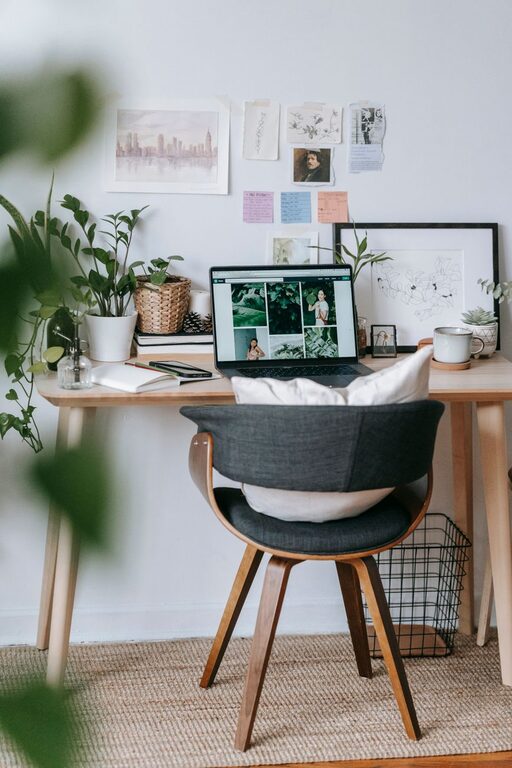
Creating a home office that is both cozy and productive can greatly enhance your work-from-home experience. Whether you are working full-time from home or occasionally need a focused space, a well-thought-out office environment can make a big difference in your comfort and efficiency. In this post, we’ll explore practical tips and ideas to help you design a home office that feels inviting and supports your daily tasks.
Choose the Right Location
Find a Quiet Spot
Look for a place in your home that is away from heavy foot traffic and noise. A quiet space reduces distractions and makes it easier to concentrate.
Consider Natural Light
Natural light positively impacts mood and focus. Try to set up your desk near a window to take advantage of daylight. If natural light is limited, use bright, white light bulbs that mimic daylight.
Invest in Comfortable Furniture
Ergonomic Chair and Desk
Comfortable seating is essential for long hours at your desk. An ergonomic chair with adjustable height, lumbar support, and good padding reduces strain on your back and neck. Pair it with a desk at the right height to keep your posture healthy.
Desk Size and Storage
Choose a desk large enough to hold your computer, notebook, and essential items. Desks with built-in storage or nearby shelves help keep your workspace neat and organized.
Organize Your Workspace
Declutter Regularly
A tidy desk can help clear your mind. Keep only the essential items within reach, and store the rest to avoid distractions.
Use Organizers and Containers
Desk organizers, trays, and containers can hold pens, paper clips, and other small items. Labeling these can save time finding what you need.
Cable Management
Messy cables can be both distracting and unsafe. Use clips, sleeves, or ties to bundle cords neatly behind or under your desk.
Personalize Your Space for Comfort
Add Soft Textiles
A cozy rug, cushions, or a throw blanket can add warmth and make the space feel inviting.
Incorporate Plants
Indoor plants improve air quality and provide a calming touch of nature. Choose low-maintenance varieties like succulents or snake plants if you don’t have a green thumb.
Display Inspirational Items
Photos, art, or motivational quotes can boost morale and make the room feel more personalized.
Optimize Lighting for Productivity
Layer Your Lighting
Use a combination of overhead lights, desk lamps, and natural light to reduce eye strain and create a comfortable environment.
Adjustable Lighting Options
A desk lamp with adjustable brightness and color temperature lets you customize lighting according to the time of day and task.
Manage Noise Levels
Use Noise-Canceling Headphones
If you cannot control external noise, headphones can help you focus on your work by blocking distractions.
Add Soft Furnishings
Curtains, rugs, and upholstered furniture absorb sound and reduce echoes, creating a quieter atmosphere.
Incorporate Technology Thoughtfully
Reliable Internet Connection
Ensure your workspace has a strong internet signal to avoid interruptions during virtual meetings or uploads.
Essential Devices
Keep only the necessary technology on your desk—computer, printer, phone, and chargers—to stay organized.
Backup Power
A UPS (uninterruptible power supply) or surge protector can prevent data loss and protect electronics during outages.
Establish Boundaries and Routines
Separate Work and Relaxation Areas
If possible, keep your home office distinct from living or sleeping areas to mentally separate work and rest.
Schedule Breaks
Use timers or apps to remind yourself to take short breaks. Stretch, hydrate, and rest your eyes regularly.
Set Clear Work Hours
Define your working hours to help avoid burnout and maintain a healthy work-life balance.
Maintain Your Space
Weekly Cleaning
Wipe down surfaces, dust shelves, and vacuum regularly to keep your office fresh and inviting.
Review and Adjust
Periodically assess your setup. As your work needs change, adjust your furniture, organization, or lighting to maximize comfort and efficiency.
—
Creating a cozy and productive home office takes a thoughtful approach to layout, furniture, lighting, and organization. By following these tips, you can craft a space that feels comfortable and helps you stay focused throughout your workday. Remember, your workspace should support both your wellbeing and your productivity, making your time at home more enjoyable and effective.